
Theft Ants
Professional Theft Ant Removal in Sacramento, CA
At Apex Pest Control Inc, we understand how frustrating it can be to discover ants in your home or business. While many people are familiar with common ant species, a theft ant infestation often goes unnoticed until it becomes a persistent issue. These tiny pests are experts at sneaking into spaces and stealing food from other ant colonies and human environments.
In this guide, our team explains how to identify these pests, recognize the signs of a thief ant infestation, and implement effective theft ant control strategies. Understanding the habits of these ants is the first step toward protecting your property.
What Are Thief Ants?
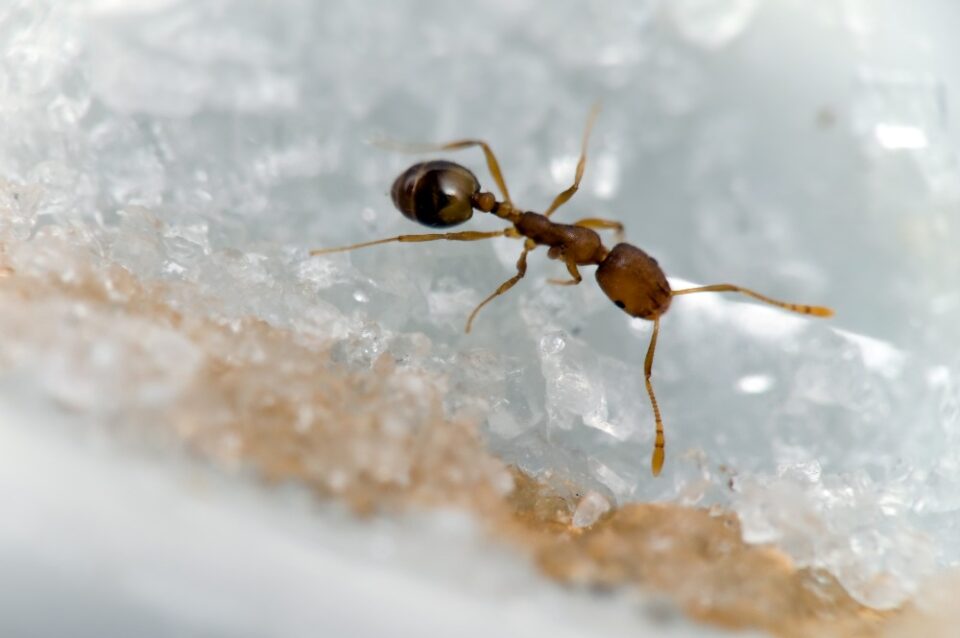
Thief ants, sometimes called grease ants, are extremely small ants that live up to their name. They invade nests of other ants and steal food and larvae. Their size allows them to enter through cracks that larger ants cannot access. When learning how to identify thief ants, keep the following traits in mind:
- Extremely small size, often around 1.5 mm long
- Pale yellow to light brown coloring
- Antennae with ten segments and a two-segmented club
- Preference for greasy or high-protein foods
- Nests located near other ant colonies
Signs of Infestation
Detecting the signs of a thief ant infestation early can prevent more extensive problems. These ants are difficult to spot individually, but their presence becomes clearer over time. Look for the following indicators:
- Trails of very small ants near food sources
- Activity around pantries, kitchens, or garbage areas
- Fine dirt or debris near baseboards or wall voids
- Ants emerging from tiny cracks or electrical outlets
- Increased pest activity near other ant colonies
Why They Are a Problem
Thief ants may be small, but they can create serious concerns for homes and businesses. Their habits make them both a nuisance and a potential health risk. Key concerns include:
- Contamination of food supplies
- Spread of bacteria from unsanitary areas
- Difficulty locating nests due to hidden placement
- Rapid reproduction leading to large infestations
- Interference with other pest control efforts
A theft ant infestation can escalate quickly if ignored. Due to their nesting habits, do-it-yourself methods often fail to eliminate the entire colony.
Our Treatment Process
At Apex Pest Control Inc, we take a strategic approach to theft ant control. Our methods focus on eliminating the colony and preventing reinfestation.
- Inspection
-
- Identify entry points and nesting areas
- Assess the extent of the infestation
- Targeted Treatment
- Use specialized baits designed for thief ants
- Apply treatments in cracks, voids, and hidden spaces
- Colony Elimination
- Ensure workers carry bait back to the colony
- Disrupt reproduction and eliminate the queen
- Follow-Up Services
- Monitor activity levels
- Adjust treatments as needed
Causes of Infestation
Understanding what attracts thief ants helps with both treatment and theft ant prevention. These ants are opportunistic and will exploit even small opportunities for food and shelter. Common causes include:
- Unsealed food containers or spills
- Cracks in walls, foundations, or flooring
- Moisture issues in kitchens, bathrooms, or basements
- Nearby ant colonies that thief ants exploit
- Clutter or debris that provides nesting sites
Prevention Tips
Proactive steps make a significant difference in preventing a theft ant infestation. Our team recommends the following theft ant prevention strategies:
- Store food in airtight containers
- Clean spills and crumbs immediately
- Seal cracks and gaps around windows and foundations
- Fix leaks and reduce moisture buildup
- Keep garbage areas clean and properly sealed
- Schedule regular pest inspections
FAQs
To answer how to identify thief ants, look for their tiny size, pale color, and preference for greasy foods. Their nests are often hidden near other ant colonies, which makes professional identification helpful.
The most common signs of a thief ant infestation include small ant trails near food, activity in kitchens, and ants emerging from tiny cracks or hidden spaces.
Thief ants can contaminate food and spread bacteria. While they do not typically cause structural damage, their presence in kitchens and food storage areas makes them a concern.
Effective theft ant control involves targeted baiting and professional treatment. Over-the-counter sprays often fail because they do not eliminate the colony.
Focus on theft ant prevention by keeping your space clean, sealing entry points, and reducing moisture. Professional inspections also help detect early activity.
Contact Our Team Today!
If you suspect a theft ant infestation, do not wait for the problem to grow. The team at Apex Pest Control Inc has the expertise and tools to deliver reliable theft ant control solutions tailored to your needs. Contact Apex Pest Control Inc today to schedule an inspection and protect your property with proven theft ant prevention strategies. Let us help you reclaim your space with confidence.
Testimonials
We have been a customer of APEX since purchasing the family home from my mother's estate, the past 10 years. My mother was a customer of their's for many years prior to that. They are always willing to go the extra-mile for us, whether it's bugs, rats, or other creatures. The administrative staff is wonderful to work with over the phone, and we love our onsite technician. Great job APEX Pest Control!!! Keep doing what you're doing.
They're punctual, very thorough on 1-21 I forgot to unlock my gate Michael couldn't treat my backyard so on 2-4 Jeff the owner called and sent Michael out on 2-5 to treat my backyard my point is I never called Apex because it was my fault but Jeff took the responsibility and courtesy to treat my backyard now that's what I call service Thank you Apex.
This is my first Yelp review and Apex Pest control is most deserving. I called Apex around 11:30am today to talk about dealing a wasp problem near my garage roof. This was the 5th company I've called. I wished I called Apex first. Jeff (He took care of the problem in such a short time, I hope I have the right name) was at my home within 30 minutes. He found the wasp nests and took care of them in short order. He went above and beyond.
Finally broke down and hired a pest control service. Was referred to Apex by my neighbor, Barbara.
Jared was prompt, efficient and thorough. No more ants or spiders, and the best part was he removed all of the webs on the outside of the house, as well as the garage!
I started getting a roach problem which I hadn't had in 20 years. They came out sprayed and I found hundreds of dead roaches outside. Excellent consultation and work. I plan to keep on using them.