
Branch 2 general household pest control
Silverfish Exterminator and Silverfish Pest Control
You noticed a small silver insect dart across the bathroom floor at night, or found one flattened inside a book that had been on a closet shelf for years. Silverfish are quiet, slow to build up, and easy to ignore until they are in the linen closet, the pantry and the garage boxes. Silverfish pest control is about finding where they live, which is almost always somewhere damp and dark.
Monday to Friday, 8 a.m. to 5 p.m. Estimates come from your home’s square footage and what you are seeing.
SourcesWritten from the interview with Jeff Alexander, Apex’s verified business facts, and the references linked at the end of the page.Last updated September 2026.
Apex Pest Control has treated silverfish in Sacramento-area homes since 1978 as part of Branch 2 general household pest control. Silverfish are on the list of pests the maintenance program covers, and the technician's property walk is built to find the moisture that feeds them.
Silverfish Control for Homes
Silverfish are a residential pest, and Apex is a residential company. A silverfish exterminator visit follows the same sequence as every other Apex first visit: interview, property walk, identification, targeted interior treatment, the exterior barrier and recommendations. Silverfish reward the inspection step more than most pests, because the insect you see in the bathroom is rarely living in the bathroom.
How to Identify Silverfish
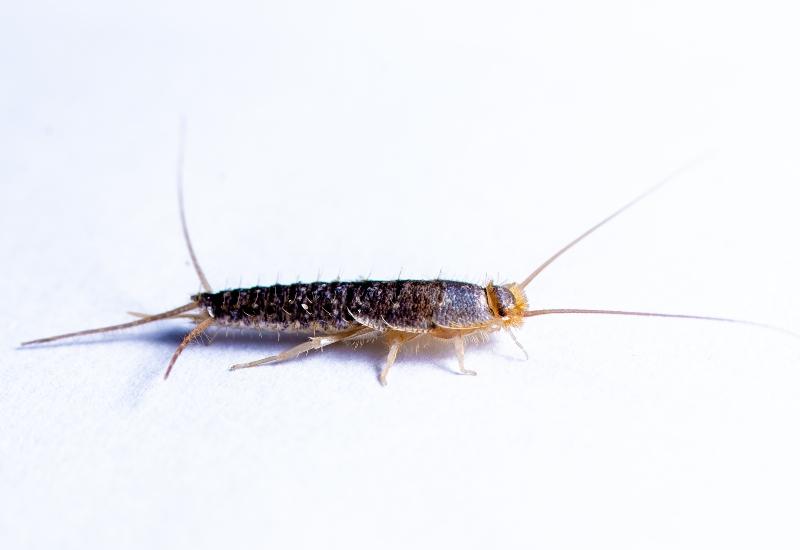
Silverfish are wingless, carrot-shaped, silvery gray, with three thin tails and long antennae. They move in a quick wriggle and avoid light. Firebrats look similar but are mottled brown and prefer hot places like water heater closets. Both are treated the same way.
You are most likely to see them at night in bathrooms, laundry rooms, garages and closets, or find one trapped in a sink or tub in the morning. Damage shows up as irregular holes and yellow stains on paper, book bindings, wallpaper edges, cardboard boxes and stored fabrics.
Signs of a Silverfish Infestation
One silverfish is common. Several over a few weeks, in more than one room, means a population somewhere damp: under a sink with a slow drip, behind a bathroom wall, in a crawl space, in the garage where boxes sit on concrete, or in an attic where insulation stays humid. Small pepper-like droppings, shed skins and feeding marks on paper are the other signs the technician looks for.
Where Silverfish Live: Moisture, Darkness and Paper
Silverfish need humidity, and they eat starches: paper, glue, book bindings, wallpaper paste, cardboard, dry cereal and starched fabric. That combination points to the same places in most Sacramento-area homes: the bathroom and laundry room, the garage, the pantry and any closet where boxes or papers sit undisturbed for months.
The Sacramento climate helps in one way. Summers are warm and dry, and more than half the year's rain falls November through February, so an indoor silverfish problem in summer is nearly always a plumbing or ventilation issue rather than the weather. That is useful information for the homeowner, and the technician will say where the moisture appears to be coming from.
How it works
How Our Silverfish Treatment Works
The visit is inspection-led, because treatment placed where silverfish are seen rather than where they live does not hold.
Interview: which rooms, how many, how long
Tour the house: bathrooms, laundry, garage, closets, pantry, any crawl space or attic access
Identify silverfish or firebrats and find the damp harborage
Targeted interior treatment at the harborage and travel routes, with low-odor products
Exterior barrier treatment along the foundation, garage and doorways
Recommendations on moisture, storage and sealing
Sacramento seasons
Silverfish and the Seasons
Silverfish are active year round indoors because they live where the house stays damp regardless of weather. Outdoors, the wet months from November through February raise humidity in garages and crawl spaces, and that is when populations near the foundation grow. Homeowners often notice them most in spring when the survivors spread into living space.
What you can do
Fixing the Moisture That Keeps Silverfish Home
Integrated pest management means the homeowner's housekeeping, sanitation and sealing reduce the product needed. For silverfish, moisture control does most of the work.
- Fix slow drips under sinks and around tubs, and run bathroom fans after showers
- Move cardboard boxes off the garage floor and onto shelves, or switch to sealed plastic bins
- Store papers, photos and books away from exterior walls and off concrete
- Seal dry goods in the pantry in closed containers
- Rake litter and hedge clippings away from the foundation so the ground beside the house dries out
- Close gaps around pipes and door thresholds where silverfish travel in from the garage
Silverfish, Earwigs and the Other Damp-Ground Pests
Silverfish rarely show up alone. The same damp garage floor, the same litter against the foundation and the same slow drip that keep silverfish home also suit earwigs, the big outdoor roaches and, near water, the insects that feed spiders. Apex treats all of them under the same Branch 2 license, and the exterior barrier treatment on a maintenance visit is aimed at the shared conditions: the foundation, the garage, doorways, first-floor eaves, fence lines and yard areas.
That matters for the homeowner because fixing moisture once solves several problems at once. The technician's recommendations after a silverfish visit tend to be the same ones that keep earwigs and roaches out of the garage the following season.
What to Expect After Treatment
Silverfish are slow breeders and slow to disappear. Seeing one or two in the first couple of weeks after a treatment is normal as the population in the harborage declines. Follow the label-specific re-entry and drying guidance the technician gives you, keep the moisture fixes in place, and give storage changes time to work. If silverfish are still showing up in more than one room after that period, maintenance customers in good standing receive a callback at no additional charge.
Silverfish Control on a Maintenance Program
Silverfish are covered on the on-going maintenance program. The initial visit treats interior and exterior; regular visits, bi-monthly, re-treat the exterior barrier and sweep webs, and at most homes the inside is retreated less than once a year. Maintenance customers in good standing receive callbacks for covered pests between visits at no additional charge.
A one-time silverfish service can work when the moisture source is fixed and the population is small. If they keep coming back, the conditions have not changed, and the technician will tell you what to look at.
How Silverfish Control Is Priced
Apex gives estimates over the phone from the home's square footage and what you are seeing.
Why homeowners choose Apex
Why Choose Apex for Silverfish Control
Family owned since July 1, 1978. Structural Pest Control Board registration No. 2770, Branch 2, with named operators Jeffrey P. Alexander (No. 8484), Brent Brandon (No. 12138) and Jared F. Alexander (No. 14137). BBB Accredited since 1984 with an A+ rating and a California Pest Management Association member since 1999. President Jeff Alexander's degrees in botany, zoology and biology are the background behind an inspection that looks for moisture before it looks for the insect.
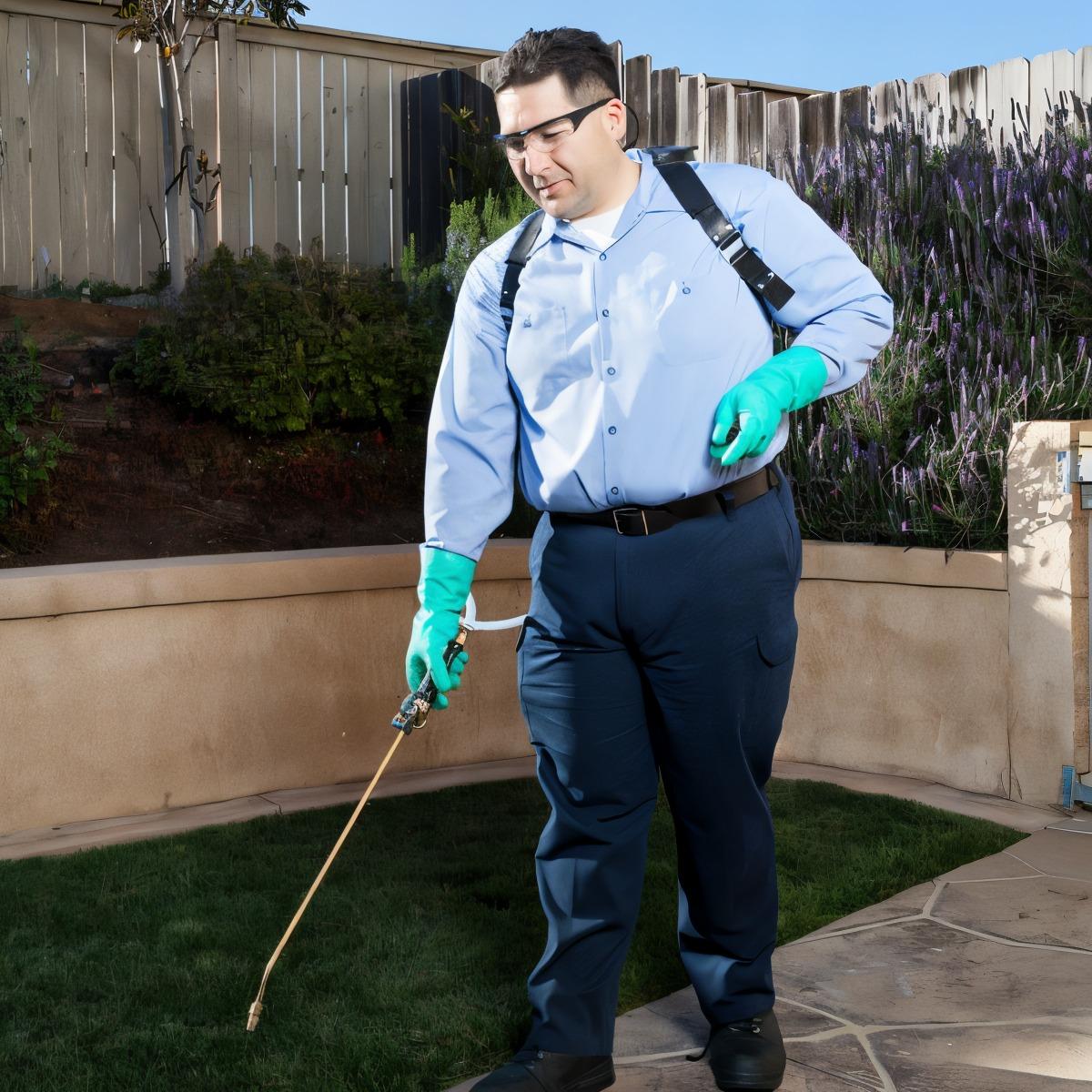
Apex technician in long sleeves, gloves and safety glasses applying a treatment along a garden wall.
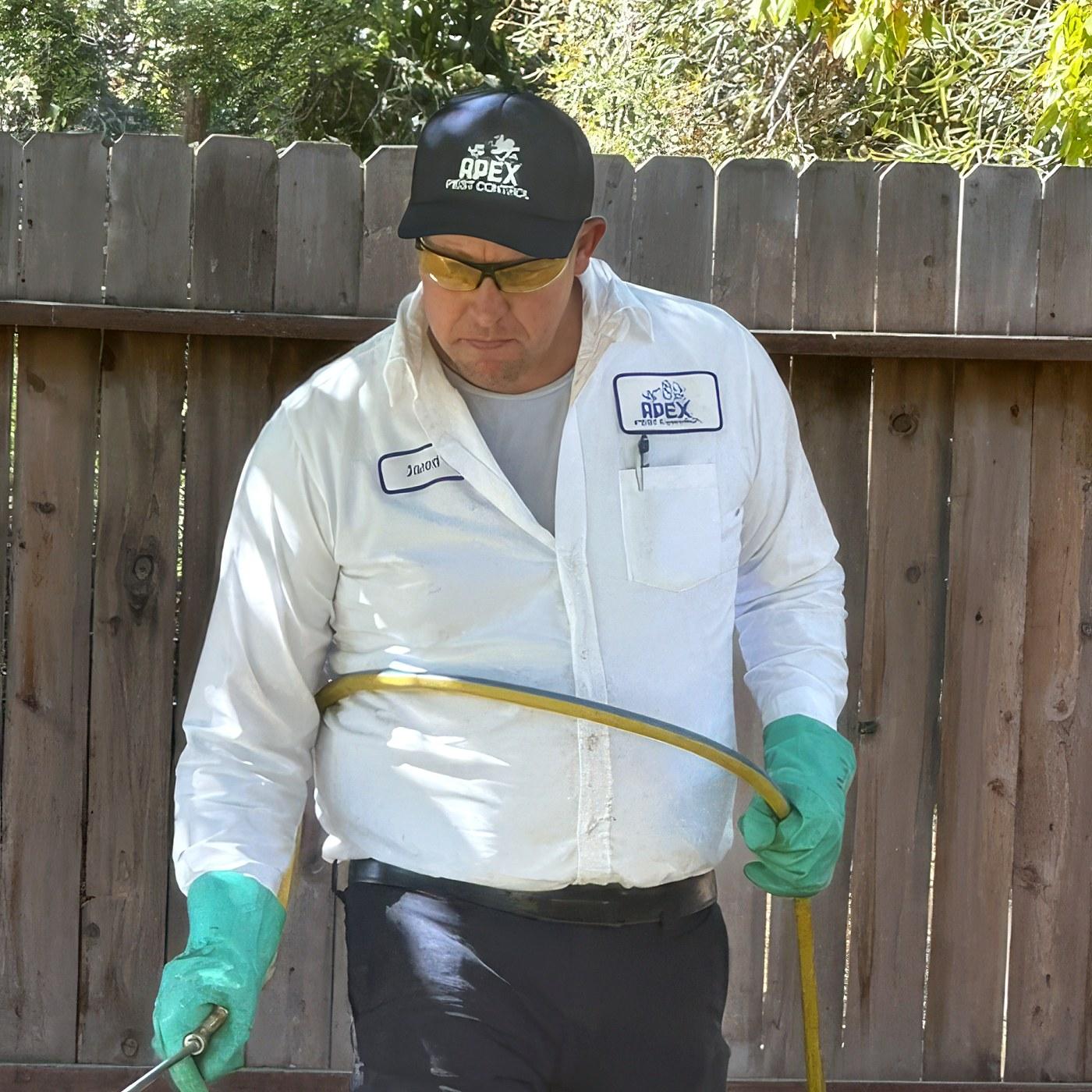
Apex technician in a branded cap, long sleeves, safety glasses and chemical gloves, carrying the treatment hose along a back fence.
Real reviews, unedited
What customers noticed
“Have had the service for a little over 2 months and no bugs to speak of. Keep it up!”
“We have been customers of Apex for over a year and have been very happy. Mikey, our serviceman, is professional and very thorough.”
“On time meet up for first treatment. The tech went over what he would do and treat, and then went to work killing bugs.”
Reviews are quoted exactly as written. More reviews
Licensed, accredited, verifiable
Three named Branch 2 operators, one company registration, and a record you can look up yourself.
Branch 2, Structural Pest Control Board, issued 1995, clear status.
Verify: Company registration on the official recordPresident. Botany and zoology degrees, master's in biology, former industrial hygienist.
Verify: Jeff Alexander on the official recordSecretary, and a Branch 2 operator licensed since 2011.
Verify: Brent Brandon on the official recordBranch 2 operator, and the third generation of the family on the route.
BBB accredited since 1984. CPMA member since 1999. 2026 Best of Times, Best Pest Control.
Verify: Accreditation on the official recordCalifornia defines Branch 2 as general household pest control excluding fumigation with poisonous or lethal gases. Branch 3 covers wood-destroying organisms. Technicians renew their licenses every three years with required continuing education.
Do silverfish bite?
No. Silverfish do not bite people or pets and do not spread disease. The damage they do is to paper, book bindings, wallpaper, cardboard, stored fabric and dry pantry goods.
What attracts silverfish to my house?
Moisture and starch. Damp bathrooms, laundry rooms, garages with boxes on concrete, and closets where paper sits for months give them both. Fixing drips, improving ventilation and getting storage off the floor removes most of the attraction.
Why do I only see silverfish at night?
They avoid light and forage after dark. Seeing one in a tub or sink in the morning means it fell in overnight and could not climb out. Several sightings over a few weeks point to a population in a damp harborage nearby.
Can I get rid of silverfish myself?
Small problems sometimes respond to moisture control and moving storage off the floor. If silverfish keep appearing in more than one room, the harborage is somewhere you cannot see, and the inspection is what finds it. Our silverfish prevention guide covers the homeowner steps in detail.
What should I do about my family on a silverfish treatment day?
The technician tells you the label-specific re-entry, drying and cleaning guidance for what was applied at your home, and treatments go into the harborage and travel routes rather than across open surfaces. Treated areas stay off-limits until dry. Ask the technician before the visit ends.
Do I need to be home for silverfish treatment?
For the first visit, yes, because it begins with an interview and covers the interior rooms where silverfish live. Regular exterior visits on the maintenance program do not require you to be home. If a gate is locked or a dog is out, the technician leaves a note and reschedules the missed area at no extra cost.
Are silverfish a sign of a bigger problem?
Sometimes. Silverfish need humidity, so a population indoors during a dry Sacramento summer usually points to a plumbing drip, a poorly vented bathroom or a damp crawl space. The technician will say where the moisture appears to be coming from, and fixing it is worth doing for reasons beyond the insects.
Is a one-time treatment enough for silverfish?
It can be, if the moisture source is fixed and the population is small. For a home where they return every winter, the maintenance program treats the barrier on every visit and includes callbacks between visits for covered pests.
Related on this site
Next step
Start with a phone estimate.
Tell the office your home's square footage and what you have been seeing. The estimate is confirmed at the home, because the interview and the walk-around often turn up more than the caller described.
Monday to Friday, 8 a.m. to 5 p.m.