
Branch 2 general household pest control
Spider Control and Spider Exterminator in Sacramento
You noticed webs across the back slider again, a black widow under the lip of the patio table, or a wolf spider on the garage floor. Spiders are the pest that makes a service visible: if the webs are still there afterward, the job was not finished. That is why spider control at Apex includes web removal on every visit, not as an extra.
Monday to Friday, 8 a.m. to 5 p.m. Estimates come from your home’s square footage and what you are seeing.
SourcesWritten from the interview with Jeff Alexander, Apex’s verified business facts, and the references linked at the end of the page.Last updated September 2026.
Apex Pest Control has been a spider exterminator for Sacramento-area homes since 1978. The company holds Branch 2 general household pest control registration No. 2770, and the sign on its route room door says the difference between good and great service is probably less than five minutes. On a spider job, that is the web sweep.
Spider Pest Control Service
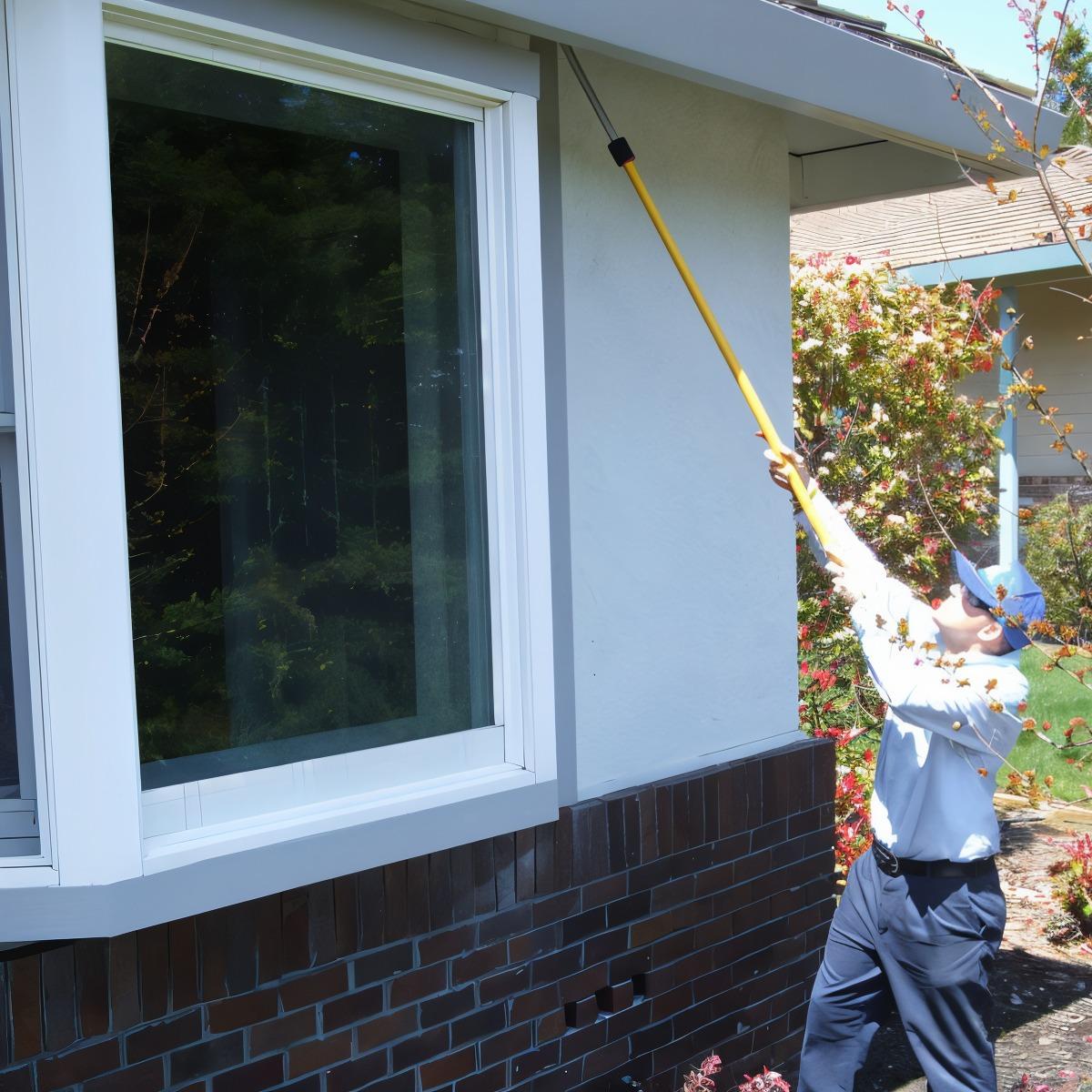
Spider work is part of the exterior barrier treatment Apex performs on every maintenance visit: foundation, garage, around windows and doorways, under the first-floor eaves, fence lines and yard areas. The technician treats those areas and sweeps the webs from the eaves, the slider, the porch and the garage. Regular visits, bi-monthly, keep the barrier replenished and the webs down.
Common Spiders Around Homes Here
Black widows and wolf spiders are covered in more detail further down this page, and yellow sac and jumping spiders each have their own identification page. The technician confirms what you have during the property walk.
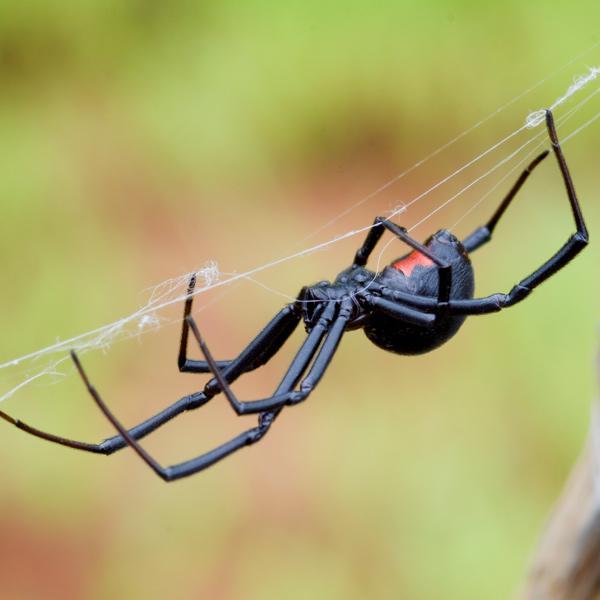
Black widow spiders
Glossy black with a red hourglass underneath, in low, sheltered spots: under patio furniture, in meter boxes, along the bottom of fences and in the garage. The one spider here that warrants caution.
Wolf spiders
Large, fast and hairy, on the ground rather than in a web. They wander into garages and along baseboards, especially in late summer.
Yellow sac spiders
Pale, small, and found indoors in the corners where wall meets ceiling. They build a small silk sac rather than a web.
Jumping spiders
Compact, with large forward eyes, seen on sunny walls and window frames. Harmful to nothing but the insects they hunt.
Why Spiders Move In: Insects, Clutter and Lake-Edge Homes
Houses next to lakes and man-made ponds have spiders. Homes by the river or backing onto a pond see them flourish, because the water breeds the insects spiders eat. Jeff Alexander has watched that pattern for decades and it holds across the region.
Outdoor lights, especially always-on string lights, draw insects and therefore spiders and webs. Clutter in the garage and along fence lines gives them harborage. None of that is the homeowner's fault; it is the conditions the technician looks for and the recommendations you will get after the visit.
How it works
How We Remove Spiders and Webs
The first visit runs the same way every time.
Interview: where you see webs and spiders, and when
Tour the house and walk the property, including the garage, the patio and the fence lines
Identify the species, with extra care where black widows are likely
Targeted interior treatment where activity is, with low-odor products
Exterior barrier treatment along the foundation, eaves, doorways, fence lines and yard
Web removal from eaves, sliders, porches and the garage
Recommendations on lighting, clutter and harborage
Sacramento seasons
Spider Season: April to October
Spiders share the main April to October season with ants, fleas and outdoor roaches. Web building peaks in late summer and early fall, when insect numbers are highest and evenings are warm. From November to February activity fades along with the insects, though garages and covered patios stay active longer than open yards.
Why a One-Time Spider Service Is Usually a Bandage
Jeff Alexander's own words: for spiders, a one-time treatment is usually a bandage, because the webs return. The insects that feed spiders keep arriving, the light stays on, and the barrier applied once wears off. Recurring barrier service is replenished regularly, and the webs come down on every visit. That is the honest recommendation for a home that gets spiders every year, and the office will tell you when a one-time visit makes sense instead.
What you can do
Preventing Spiders Around Your Home
The recommendations after a spider visit are practical, and they lower the amount of product the barrier needs.
- Keep outdoor lights off when they are not in use, and reconsider all-night string lights
- Reduce clutter in the garage and along fence lines where spiders shelter
- Rake litter and hedge clippings away from the foundation
- Trim shrubs and limbs off the house so webs have fewer anchors
- Check patio furniture, meter boxes and play structures for black widows before reaching under them
What the Extra Five Minutes Looks Like on a Spider Visit
Apex is built on the extra five minutes, and spiders are where a homeowner can see it. The web behind the back slider that most visits never reach. The web removed from the porch light where it was going to be rebuilt tomorrow. The look up at the eave line, not just along the fence. The honest word that a one-time visit will not keep webs off a house that backs onto a pond. The judgment to leave a spider that is doing useful work in the garden alone.
Customers who write about Apex tend to mention the webs, because the webs are the proof. One review on this site says the best part was that the technician removed all of the webs on the outside of the house and the garage. That is the standard on every visit.
Spider Control on a Maintenance Program
The on-going maintenance program is built around spider control more than any other pest. Each regular visit re-treats the exterior barrier and sweeps webs; missed areas behind a locked gate or a loose dog get a note and a reschedule at no extra cost. Maintenance customers in good standing receive callbacks for covered pests between visits until the problem is solved.
Estimates are given over the phone from the home's square footage and what you are seeing.
Why homeowners choose Apex
Why Choose Apex for Spider Control
Family owned since 1978, with Structural Pest Control Board registration No. 2770 (Branch 2) and three named operators you can look up, Jeffrey P. Alexander (No. 8484), Brent Brandon (No. 12138) and Jared F. Alexander (No. 14137). BBB Accredited since 1984 with an A+ rating, and a California Pest Management Association member since 1999. Customers mention the webs in their reviews because the webs are how they can see the work was done.
Spiders That Matter Most in Sacramento Homes
Identification comes first. The notes below are the ones technicians use on the route; the treatment for each is described above.
Black Widow Spiders
Early detection plays a key role in effective black widow spider pest control and helps protect your home from growing infestations. These spiders tend to stay hidden, though clear signs often appear in low-traffic areas. Paying attention to web patterns, egg sacs, and activity levels can make a difference. Regular inspections around your property support faster response and better results, especially in garages, basements, sheds, and outdoor structures where these pests prefer to stay.
These pests pose a real concern due to their potent venom and tendency to live near human activity. Their bite can cause strong reactions, including pain, muscle cramping, and discomfort, which may require medical care. Young children, older adults, and those with health concerns may face greater risks from a bite. These spiders often hide in quiet, shaded areas where people store items or reach without looking, which increases the chance of contact.
Wolf Spiders
Wolf spiders can quickly move into homes, raising concerns for families who want a clean, comfortable space. These fast-moving pests often hide in corners, basements, and along baseboards, which makes early action important.
These pests often enter homes in search of food, shelter, and quiet places to rest. Early signs can appear subtle, though they become easier to notice as activity increases. Recognizing early indicators helps homeowners schedule timely pest control and protect their living space.
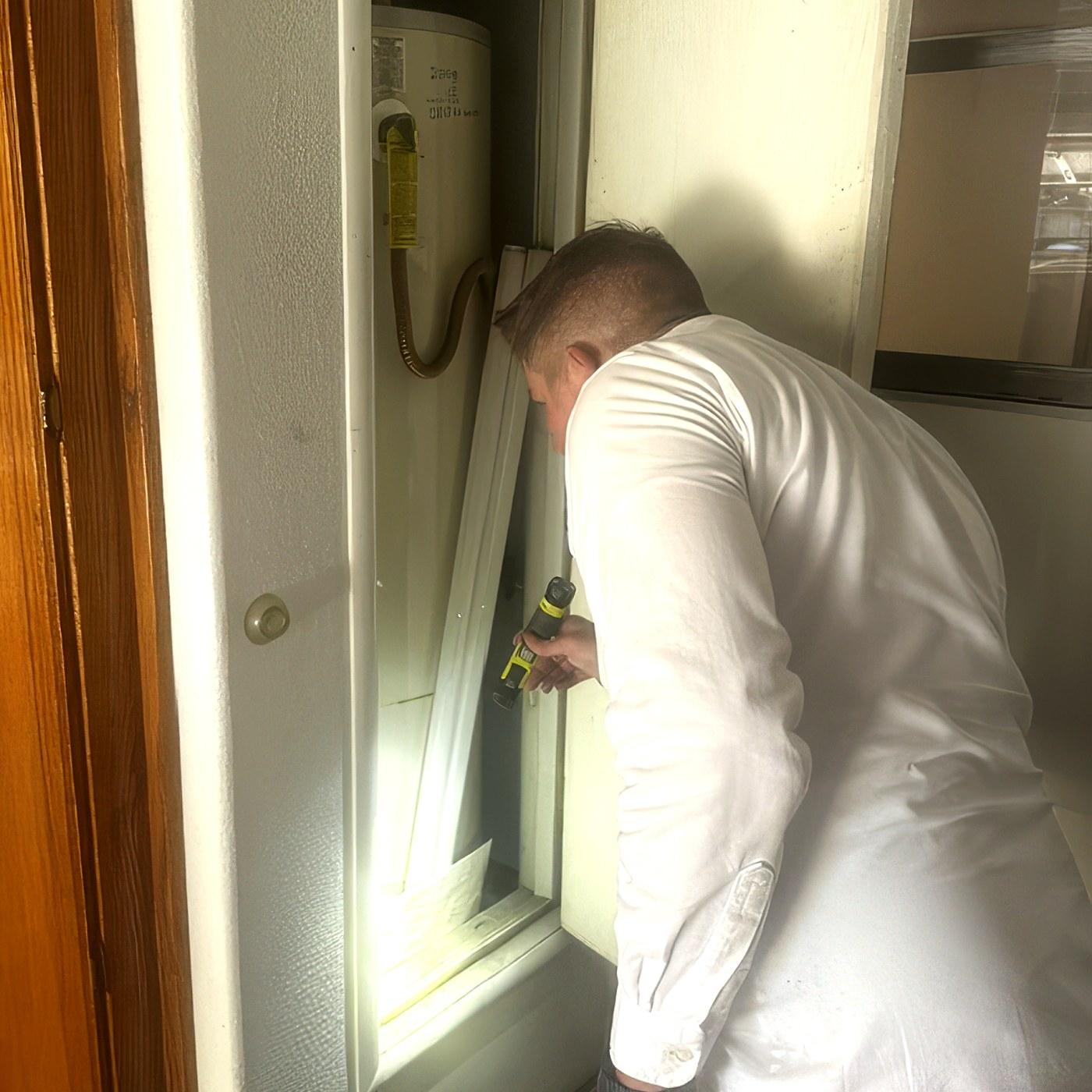
Apex technician checking the water heater closet of a home with a flashlight.
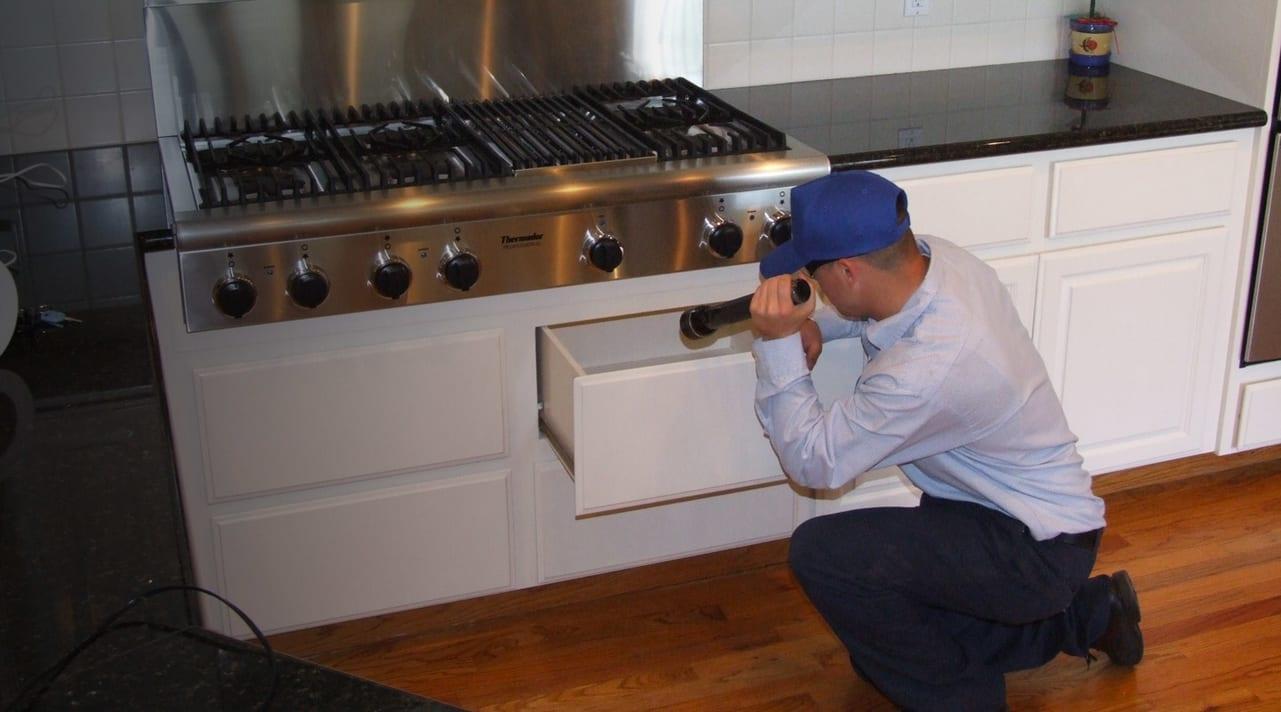
Apex technician kneeling with a flashlight to inspect under a kitchen cabinet toe kick.
Real reviews, unedited
What customers noticed
“We have been a customer of APEX since purchasing the family home from my mother's estate, the past 10 years. My mother was a customer of their's for many years prior to that. They are always willing to go the extra-mile for us, whether it's bugs, rats, or other creatures. The administrative staff is wonderful to work with over the phone, and we love our onsite technician. Great job APEX Pest Control!!! Keep doing what you're doing.”
“We have been customers of Apex for over a year and have been very happy. Mikey, our serviceman, is professional and very thorough.”
“They showed up right on time and were professional and polite. They answered all my questions and listened to my concerns. We felt they were thorough with their inspection and took their time.”
Reviews are quoted exactly as written. More reviews
Licensed, accredited, verifiable
Three named Branch 2 operators, one company registration, and a record you can look up yourself.
Branch 2, Structural Pest Control Board, issued 1995, clear status.
Verify: Company registration on the official recordPresident. Botany and zoology degrees, master's in biology, former industrial hygienist.
Verify: Jeff Alexander on the official recordSecretary, and a Branch 2 operator licensed since 2011.
Verify: Brent Brandon on the official recordBranch 2 operator, and the third generation of the family on the route.
BBB accredited since 1984. CPMA member since 1999. 2026 Best of Times, Best Pest Control.
Verify: Accreditation on the official recordCalifornia defines Branch 2 as general household pest control excluding fumigation with poisonous or lethal gases. Branch 3 covers wood-destroying organisms. Technicians renew their licenses every three years with required continuing education.
Are spiders dangerous?
Most spiders around a Sacramento-area home are a nuisance, not a danger. The black widow is the exception, and its bite is a medical matter; if someone is bitten, contact a medical provider. The reason to control spiders is less about bites and more about what they signal: spiders follow insects, so a house wrapped in webs is a house with an insect supply, and an exterior light that stays on all night.
How do exterminators get rid of spiders?
By treating the exterior barrier where spiders and their prey travel, removing webs so the population is visible and disrupted, and reducing the conditions that draw them: lights, clutter and insects. Apex does all three on every maintenance visit and treats the interior where activity is on the first visit.
Is web removal included?
Yes, on every visit. Web removal from the eaves, sliders, porch and garage is part of the regular service, not an add-on. It is the most visible part of the extra five minutes.
How often should spider control be done?
Apex runs bi-monthly programs. The exterior barrier is re-treated each visit, and at most homes the inside is retreated less than once a year. Homes near water or with outdoor lighting on all night tend to need the more frequent schedule.
What attracts spiders to my house?
Insects, and whatever draws insects: outdoor lights, nearby water, irrigated landscaping and litter along the foundation. Homes next to lakes, ponds and the river see the most spiders because the water breeds their food.
Do you treat black widows?
Yes. Black widows are treated as part of spider control, with particular attention to the low, sheltered spots they prefer: under patio furniture, in meter boxes, along fence bottoms and in the garage. See the black widow page for identification.
What happens if I see spiders again between visits?
Call the office. Maintenance customers in good standing receive a return visit at no additional charge for any contracted pest between regular service dates, and the technician keeps returning until the problem is solved. Troublesome pest issues may require a supervisor's input.
Do jumping spiders and wolf spiders need treatment?
Usually not on their own. Both hunt insects rather than build webs, and a few in the garden are useful. They become a call when they are coming inside in numbers, which is a sign the insects they follow are close to the house. The barrier treatment and the lighting and clutter recommendations handle that.
Do I need to be home for spider treatments?
Not for regular exterior visits. The first visit includes an interview and interior treatment, so someone should be home for that one. If a gate is locked or a dog is out on a regular visit, the technician leaves a note and reschedules the missed area at no extra cost.
Next step
Start with a phone estimate.
Tell the office your home's square footage and what you have been seeing. The estimate is confirmed at the home, because the interview and the walk-around often turn up more than the caller described.
Monday to Friday, 8 a.m. to 5 p.m.